Low Impact Hiking Practices
A practical guide to moving through nature responsibly. No perfection required.
Most of us aren’t careless in nature. We just haven’t thought through the details.
Low impact hiking isn’t a checklist. It’s a practice built from practical habits that accumulate over time. The goal isn’t to erase yourself from a place or leave zero trace. It’s to move through it the way any decent guest would. Quietly. Deliberately. With awareness of what was there before you arrived.
That awareness goes deeper than packing out trash. Fragile alpine vegetation can take decades to recover from a single misplaced step. Wildlife behavior shifts when animals grow accustomed to human proximity. Even digital habits, like geotagging sensitive locations, can redirect thousands of people toward places unprepared for that kind of traffic.
Responsible hiking and travel begins with awareness. Consideration of where you are. Of how the ecosystem functions. Of what popularity does to a place over time.
Here’s what that looks like in practice.
What Less Impact Really Means
In truth, most conversations about low impact travel stop at trash. Pack it out. Don’t litter. Done.
But the actual scope is wider. The places most affected by careless visitation aren’t always the ones showing obvious damage. It’s the unmarked social trails that gradually become permanent. The alpine meadow that looked fine until one season it didn’t. The small canyon that went viral and hasn’t recovered since.
Understanding that your presence has an effect, even when it’s invisible, is the starting point. The goal isn’t perfection. It’s consideration.
Slow Down Before You Spread Out
There’s a quiet relationship between pace and impact. When travel becomes rushed, landscapes become backdrops. Trails become mileage goals. Overlooks become quick stops before the next one.
Slowing down changes the quality of attention. One trail walked thoroughly tends to produce a lighter presence than three trails covered quickly. You step more carefully. You stop moving like you’re somewhere to be.
Wildlife responds to pace. So does the land. Moving slower isn’t just a philosophy. It produces a measurably different footprint.
Pack for Reuse, Not Convenience
Single-use anything on trail is worth reconsidering. Not because it’s a moral failing, but because it generates waste in places that have no infrastructure to handle it.
To list a few straightforward swaps:
A quality water bottle or hydration pack instead of disposable plastic.
Reusable containers instead of plastic wrap or bags.
Using a bandana or pack towel instead of disposable hand wipes, which often end up off trail and take years to break down.
Beyond waste, there’s the question of what you carry in. Aerosol sunscreens and synthetic fragrances wash into waterways when you sweat. Mineral-based, reef-safe formulas exist for a reason. They’re worth the switch.
Packing with intention isn’t about owning the right gear. It’s about thinking through what happens to what you bring once you’re out there.
Choose Gear That Lasts
Consumption is part of modern travel. It doesn’t have to be excessive.
Fewer, better pieces reduce both waste and long-term cost. Before replacing gear, ask whether it can be repaired. Before buying something new, consider whether it will hold up across seasons and trips. Secondhand and thrifted gear is worth looking into before defaulting to new.
Durable materials, repairable construction, and brands that back their products with actual warranties are worth the research. Thoughtful preparation tends to prevent unnecessary buying.
Stay on the Trail. Even Through the Mud.
This one feels obvious until the trail is wet and the ground beside it looks easier.
Stepping around damaged sections widens the path and destroys the vegetation just beyond it. That vegetation often holds soil in place. Once it’s gone, erosion follows.
The marked trail exists because it was determined to be the least damaging route through that terrain. Walk through the mud. Avoid cutting switchbacks. The ecosystems just off trail are far more fragile than they appear.
Give Wildlife More Space Than You Think You Need
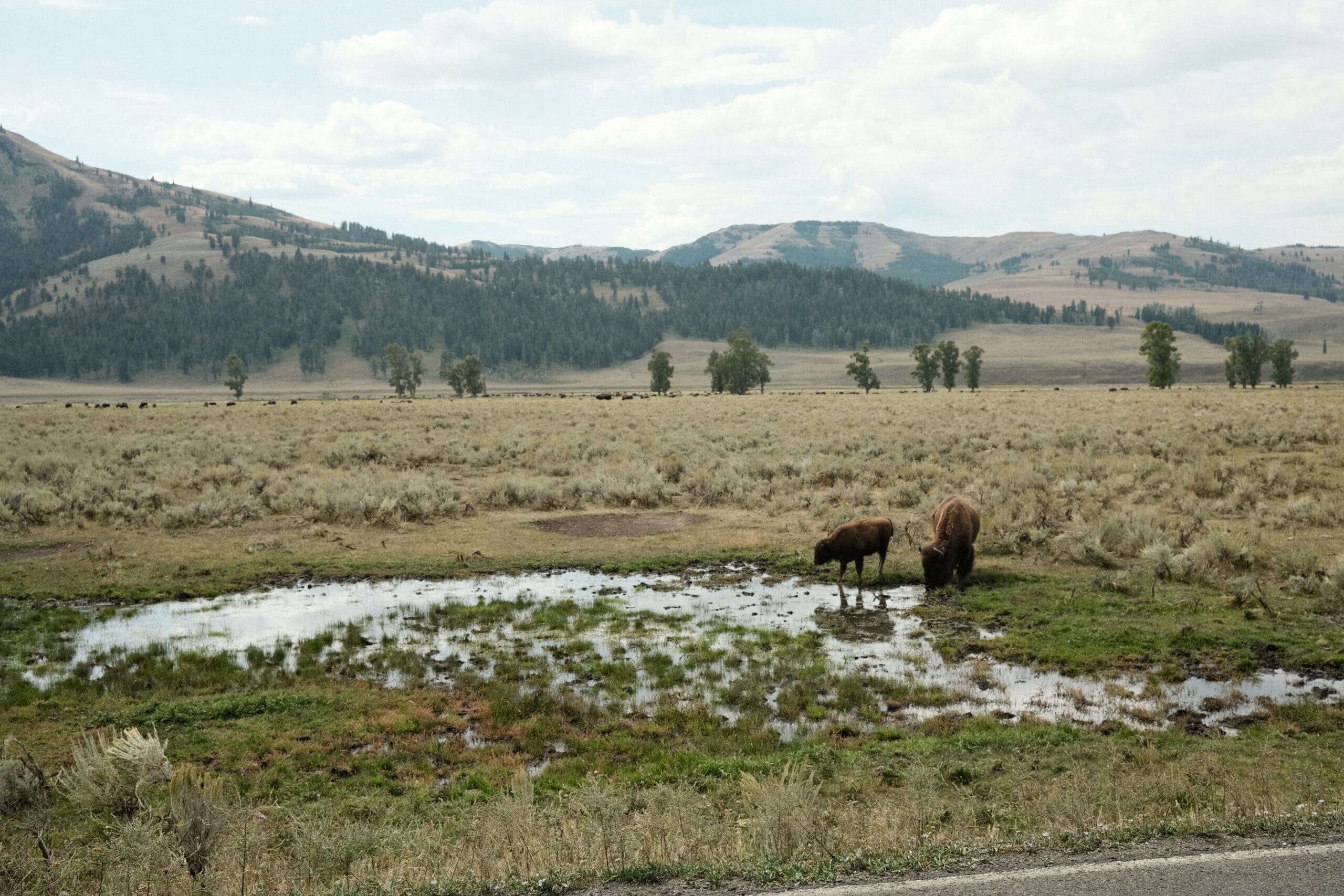
A reliable rule: if the animal changes its behavior because of you, you’re too close.
That means no feeding, no approaching for a better photo, no crowding around them just because other people are doing it. Even well-intentioned interactions can disrupt feeding patterns, migration, and other natural rhythms for these animals.
Observe from a distance. Move predictably. Keep noise low. The best wildlife encounters tend to happen when you’re not trying to force one.
Rethink Geotagging and Location Sharing
Digital sharing has physical consequences.
A single viral post can redirect thousands of people toward a fragile viewpoint. Not every place is built for that kind of visitation. Some areas lack the infrastructure, signage, or ecological capacity to absorb it.
Choosing not to geotag a specific location isn’t gatekeeping. It’s stewardship.
There are ways to share an experience without exposing exact coordinates. Name the park. Describe what it felt like. Protect the smaller, less resilient places by leaving their precise location out of it. Traveling with less impact includes how you show up online.
Lower the Volume
Sound travels differently outdoors. Voices carry further. A speaker affects a wider radius than most people account for.
Keeping noise down preserves the soundscape for wildlife and for other hikers. It can also enhance your own experience. More things are noticed when it’s quiet enough to pay attention.
Carry Out More Than You Carried In
Packing out what you brought is the baseline.
Carrying out a little of what others left behind shifts the equation. A wrapper. A bottle cap. A scrap of foil. Some of us carry a small bag specifically for this. The individual effort feels small. However, the cumulative effect is not.
A Note on Perfection
Nobody does this flawlessly. The point isn’t perfect execution. It’s a consistent intention.
Every person who moves through natural spaces with a little more awareness changes the compounded experience of those places over time. That’s not inspiration. It’s just arithmetic.
These habits truly aren’t difficult. They mostly require deciding in advance that they matter.