Building Confidence Outdoors
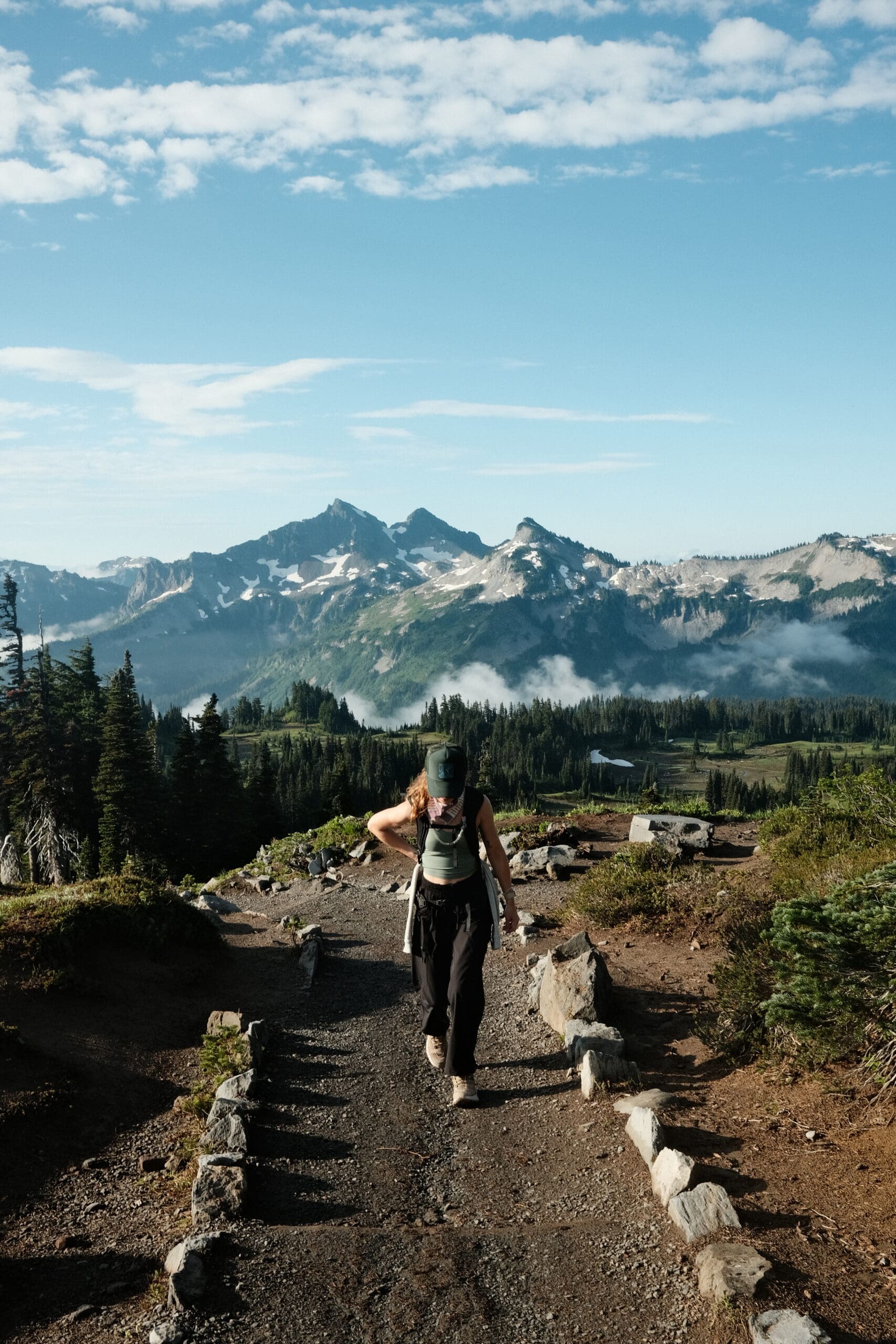
For a long time, I thought adventure was something you had to earn.
That you needed to be tougher, stronger, more experienced. More like the version of an outdoor person I saw represented everywhere else. I wanted to explore but I hesitated, unsure whether I was cut out for it or whether I even belonged out there.
When I pictured an outdoor enthusiast, it rarely looked like me. It looked confident, athletic, relentless. Often male. And I quietly assumed that meant I would always be a step behind.
So I stayed on the edges. Told myself I needed to train more, learn more, toughen up before I could really claim a place outside. I worried about being too slow. About choosing easier trails. About not having enough grit to justify being there at all.
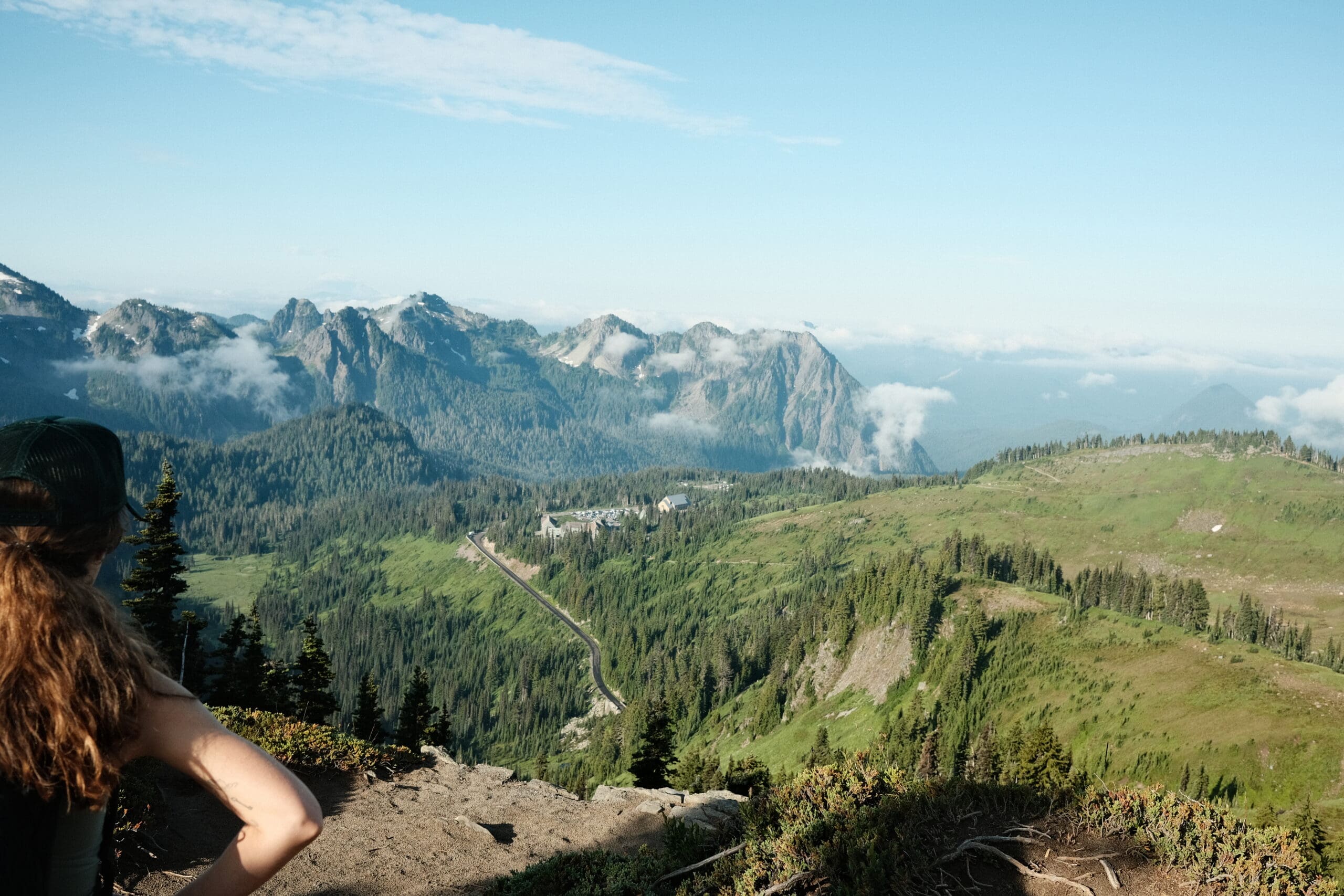
When Exploration Felt Like Something to Earn
I have genuine respect for people who do difficult things outdoors. The endurance and mental strength required for big miles and technical terrain is real. Pushing limits can be meaningful. Growth often comes from discomfort.
But somewhere along the way, that version of adventure became the only version that counted. I started believing that anything short of maximum effort was barely worth mentioning.
Without realizing it, I internalized that standard. I chose routes that looked impressive over ones that felt right. I pushed through moments when my body asked for rest. I wanted to prove I deserved to be there, which meant the one place I went to feel grounded started to feel like another space where I had to perform.
And that’s a particular kind of exhaustion.
Choosing Challenge Without Obligation
What changed wasn’t my respect for growth. It was my relationship to it.
I still believe in progression. In testing yourself when it feels aligned, in choosing the harder thing out of genuine curiosity rather than the need to prove something. But I stopped believing that maximum effort was the entry fee for belonging outdoors.
There’s a difference between pushing yourself out of curiosity and forcing yourself out of fear. One builds something. The other slowly drains it.
Letting ease be part of the experience didn’t make me stagnant. It gave me room to grow in a direction that actually felt sustainable.
Redefining What Adventure Looks Like
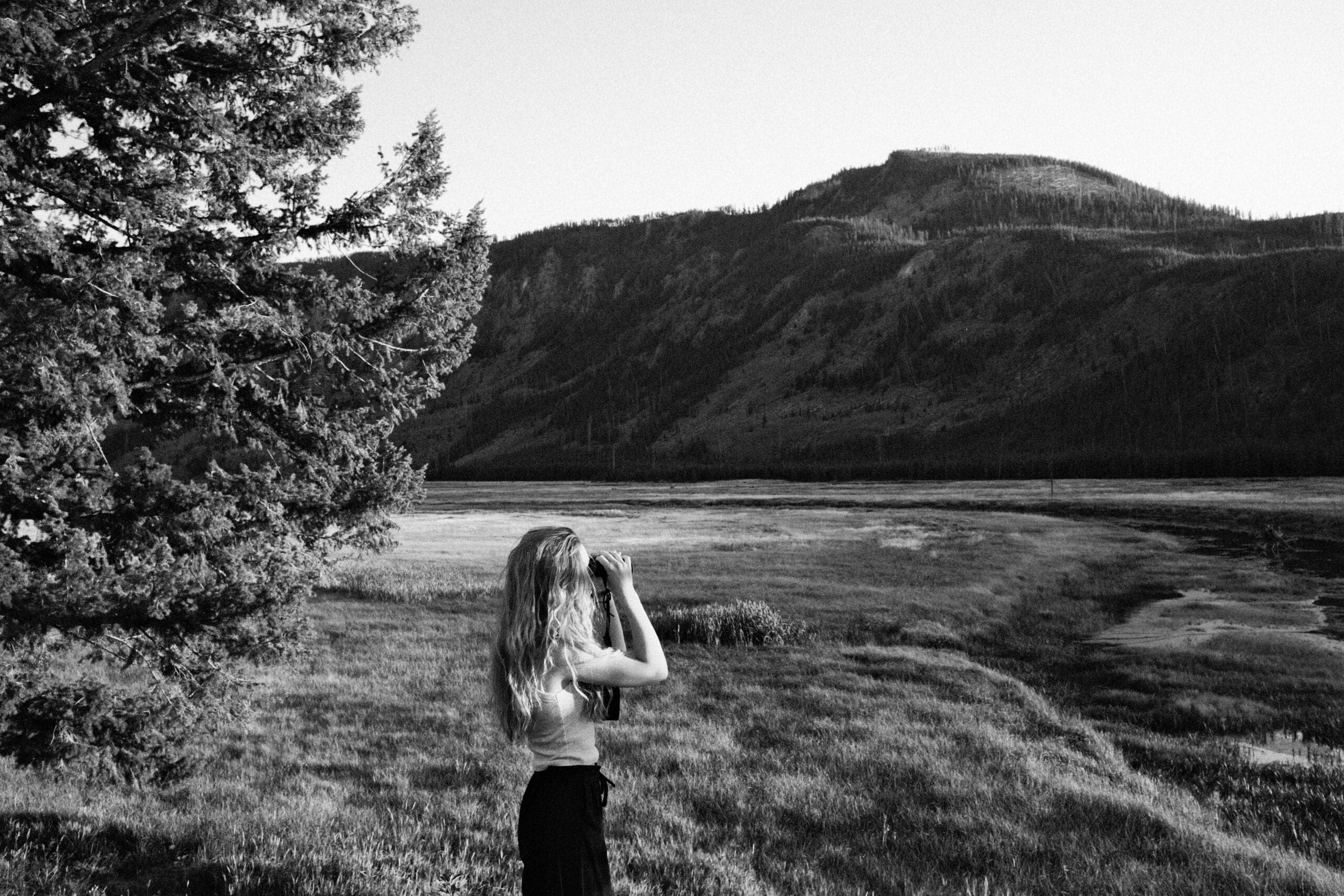
The outdoors stopped feeling intimidating when I stopped treating it like a test.
Adventure doesn’t require a particular body, pace, or tolerance for discomfort. It can be demanding or gentle. It can look like long miles or shorter distances. Pushing limits or quietly honoring them. Both are legitimate. Neither requires justification. I believe that’s something women who hike are still having to say out loud more than they should.
Exploration isn’t reserved for the most experienced or the least afraid. It’s a shared space, open to anyone drawn to the natural world regardless of the pace you choose to move through it.
The moment I stopped trying to earn my place, nature stopped feeling like something to prove myself worthy of. It started feeling like somewhere I could actually return to.