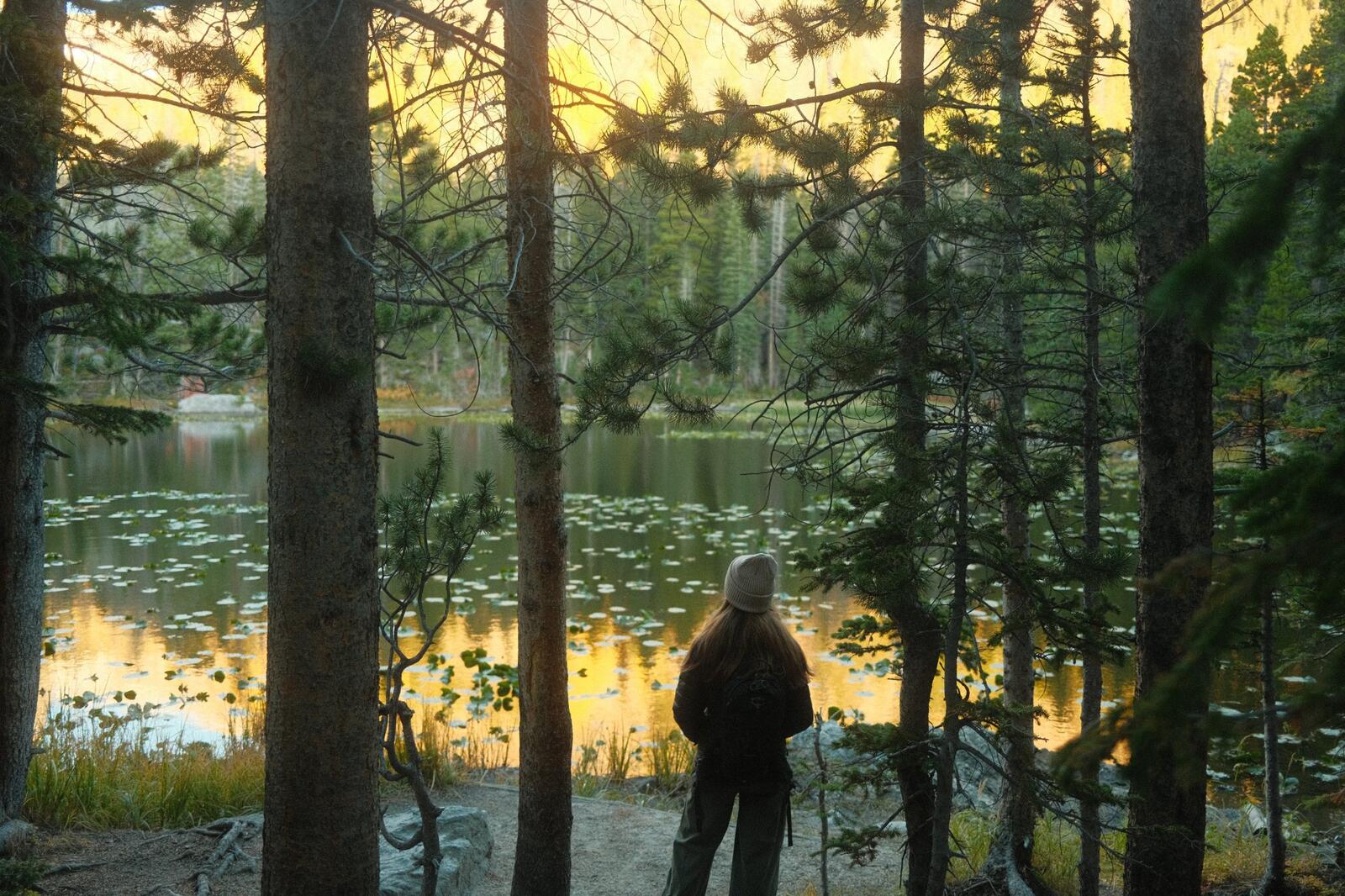
A practical guide to trail comfort
Comfort on trail is not about carrying more. It’s about choosing well.
Packing for a comfortable day hike begins long before you reach the trailhead. It begins with what touches your skin, what handles shifting weather, and what keeps small discomforts from becoming distractions. When you’re spending several hours outside, comfort isn’t indulgent. It’s what allows you to stay longer, move farther, and remain present in the landscape.
What follows is what I’ve settled on after some time refining the list. Nothing flashy. Nothing excessive. Just pieces that quietly do their job.

Start With Your Feet
Good socks rarely get attention, but they’re foundational.
When your feet feel stable and dry, everything else on trail flows more easily. You move at a steady pace, stop noticing friction, stay present. Hot spots, slipping fabric, and moisture buildup are small problems that compound quickly over miles.
I reach for wool hiking socks because they regulate temperature, resist odor, and maintain their structure throughout the day. For most climates and distances, a medium cushion offers enough protection without feeling bulky. The right materials make a noticeable difference by mile five.
They don’t need to look technical. They need to work. Look for brands that prioritize durability and responsible sourcing. Point6 is worth considering. Their warranty is straightforward and their approach to materials is consistent with how I try to move through the world.
Socks matter, but they’re only half the equation. Footwear is one of the most consequential decisions you make when preparing for a hike. The goal isn’t the most rugged boot or the most talked-about trail runner. It’s support that matches your terrain and distance.
On well-maintained trails, lightweight hiking shoes often outperform heavy boots. They allow for more natural movement and generate less fatigue over long days. Fit matters more than brand. Break them in before a long day. Pay attention to how your feet feel at mile eight, not mile one.
Comfort is cumulative.
Layer for What the Weather Will Actually Do
Weather shifts when you’re out long enough, especially at elevation where mornings and afternoons can feel like different seasons entirely.
Layering well prevents small discomforts from becoming full distractions. The approach I follow is straightforward: a breathable base layer that moves moisture away from skin, a lightweight insulating layer that’s easy to add or remove, and a packable shell for wind or sudden rain.
You don’t need heavy pieces. You need versatile ones. Materials that dry quickly and hold their shape tend to perform across multiple days and conditions. Technical fabrics can help, but simplicity usually wins.
Small Essentials Worth the Space
Some of the most essential items take up little space for their level of impact.
+ Your favorite hat for shade
+ Lightweight, non-slip sunglasses
+ A lightweight neck gaiter or scarf
+ Mineral sunscreen 30 SPF+
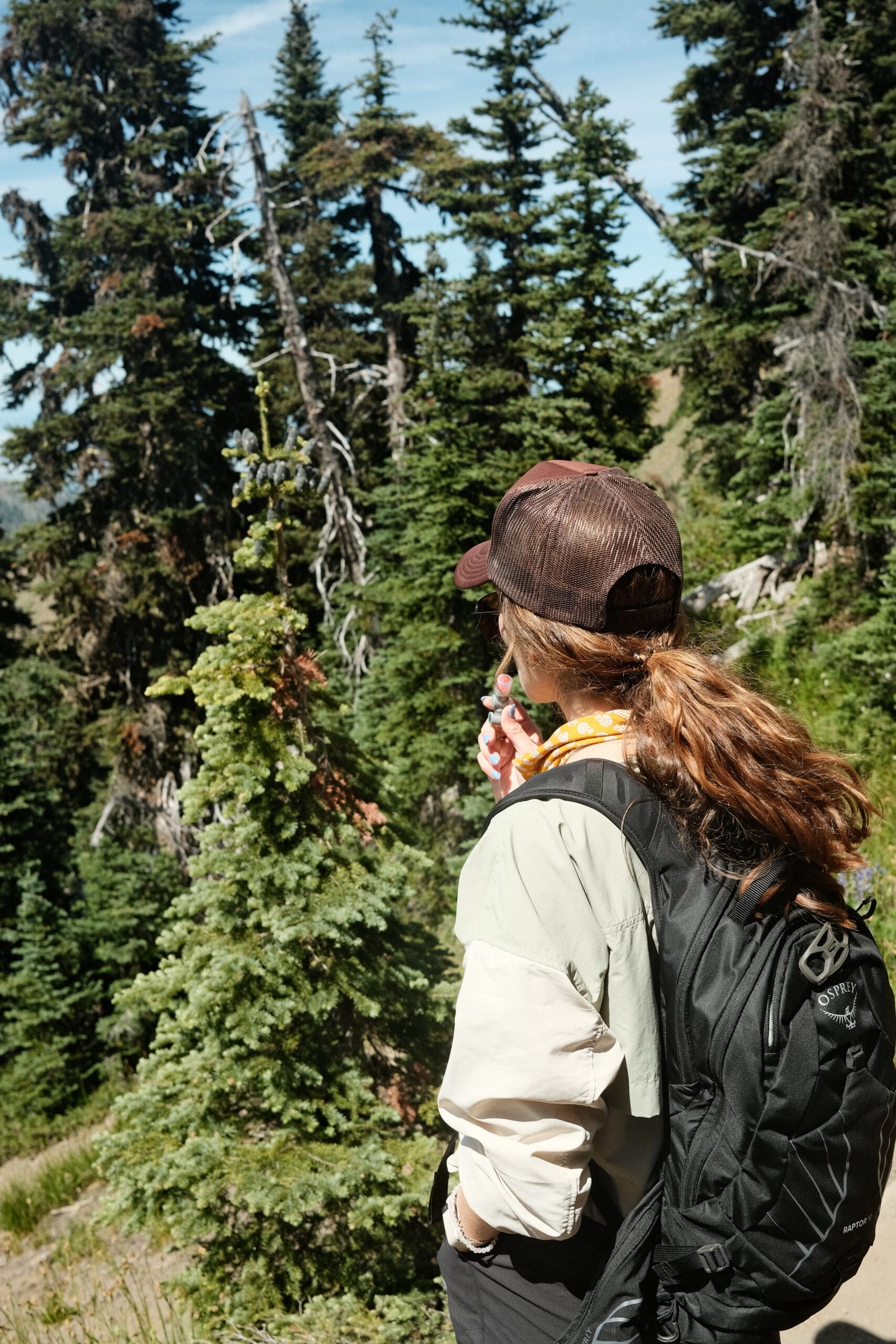
+ Lip balm with SPF
+ Scent-free insect repellent
+ Small first aid kit with hand sanitizer
Check conditions before you go. If temperatures are likely to drop, a thin pair of gloves or an ear warmer adds almost no weight and changes the experience considerably.
What I No Longer Pack
A little experience teaches restraint faster than any packing guide.
I used to carry heavy backup layers, redundant items, and gear loaded around theoretical scenarios. Most of it stayed at the bottom of the bag. Now I prioritize reliability over volume. Pieces I’ve tested in real conditions over pieces I’ve read about online.
Packing for comfort isn’t about preparing for every possibility. It’s about understanding your environment and choosing gear that supports your movement without weighing it down. Fewer, better pieces. Long-lasting materials. This approach also happens to align with lower impact travel.
Comfort As a Form of Endurance
Trail comfort isn’t about luxury. It’s about staying in it.
When your feet feel supported, your layers are managing temperature, and the small irritants are handled, you’re free to pay attention to the reason you set out for in the first place. You move more steadily. You notice more. Hiking becomes something you settle into rather than something you push through.
None of these choices are about doing more or having the ultimate setup. They’re about removing friction so the landscape can do what it’s supposed to do. At the end of the day, this type of comfort is not about luxury. It is about endurance.

FAQ’s
Q&A
A: Focus on reliability over volume. Carry pieces you have tested in real conditions rather than items you bought for a theoretical scenario. You will need quality footwear, socks, and proper layers for the expected weather. Pack something to carry water and don’t forget sun protection. Bring some form of navigation (paper map and/or downloaded map) and a small first aid kit. These will cover the basics for most day hikes. Experience teaches restraint faster than any packing list. If something stayed at the bottom of your bag for the last three hikes, leave it home next time.
A: Wool hiking socks are the most reliable option for hiking. They regulate temperature across a range of conditions, manage moisture effectively, resist odor, and maintain their structure throughout a full day on your feet. A medium cushion weight works well for most climates and distances, offering enough protection without adding bulk. Look for brands that prioritize durable materials and stand behind their products with clear, listed warranties.